


Mistakes you make in your first competition of the year (and how to avoid them)
The first competition of the year always feels different.
There's excitement. There are nerves. There are expectations. And often... there are mistakes you could have avoided.
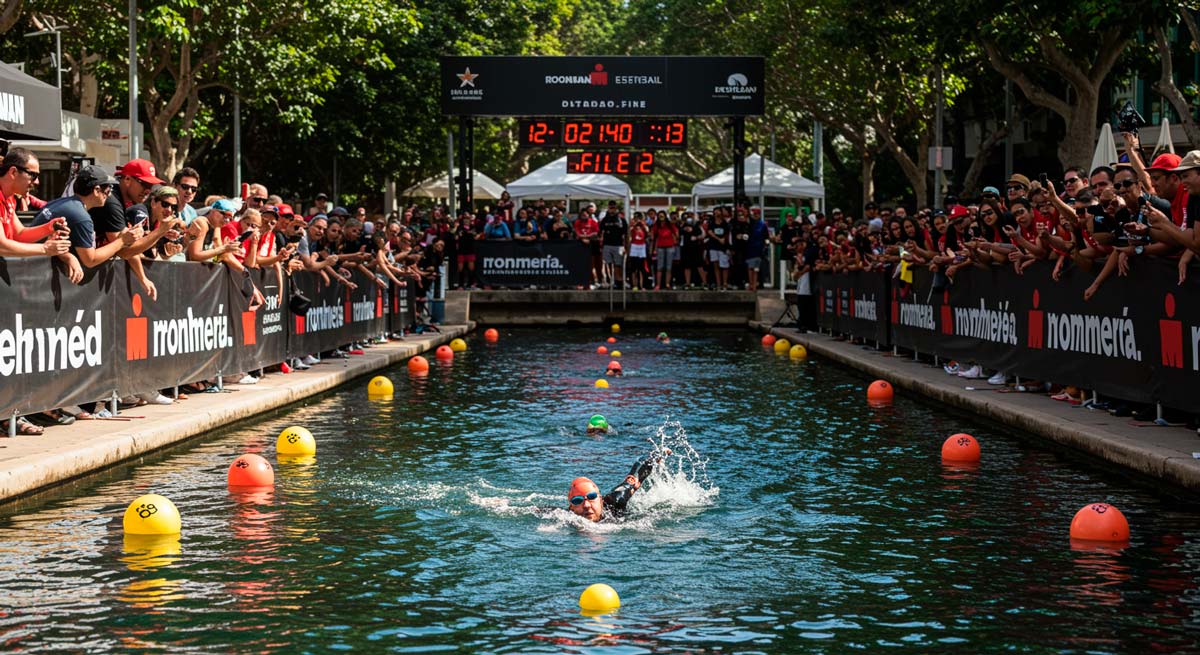
After the season kick-off at events like Manzanillo or the Monterrey 70.3, it's common to hear the same things: "I went too fast," "I didn't hydrate enough," "I miscalculated my pace."
The good news is that the first race doesn't have to be perfect. It has to be smart.
👉 season kick-off in Manzanillo and Monterrey
1. Going faster than you trained
This is the most common mistake in February.
You're motivated. You feel strong. Adrenaline is high. And you start at a pace above what you worked on in your base training.
The result? Soaring heart rate, premature fatigue, and a race that turns into survival.
Solution: Race the plan you trained, not the emotion you feel.

2. Underestimating the heat (especially on the coast)
Competitions like Manzanillo might seem "just a sprint," but humidity changes everything.
- Increases sweating
- Elevates heart rate
- Accelerates dehydration
Many athletes adjust their pace, but not their hydration.
Solution: Plan your fluid and sodium strategy as if it were a half-distance race.

3. Not testing equipment in real conditions
Wearing a new trisuit, goggles, or nutrition on race day is a classic mistake at the start of the season.
The first race is the ideal time to validate what you trained weeks in advance, not to experiment.
Solution: Everything you use in competition should have been tested beforehand in long or high-intensity sessions.
4. Thinking that February is your peak form
February is not the end of the season. It's the calibration point.
If your big goal is in September or November, this race is a measurement, not a final exam.
Many athletes get frustrated because they aren't at their best time of the year. And they shouldn't be.
Solution: Evaluate data, feelings, and execution. Adjust. Don't beat yourself up.
5. Not analyzing what happened
The biggest mistake is not making a mistake. It's not learning.
After your first competition, ask yourself:
- Was my pacing realistic?
- Did my nutrition work?
- Did the heat affect me more than expected?
- How did my equipment perform?
The 2026 season is not built with one perfect race. It's built with constant adjustments.
👉 how to plan your 2026 triathlon season in Mexico
Competing better means competing with intention
At KUMI, we believe that the first competition of the year does not define your season, but it can guide it.
It's not about impressing in February. It's about building for the rest of the year.
Race hard. But above all, race smart.
See you at the starting line.
— KUMI Team

Leave a comment
This site is protected by hCaptcha and the hCaptcha Privacy Policy and Terms of Service apply.