

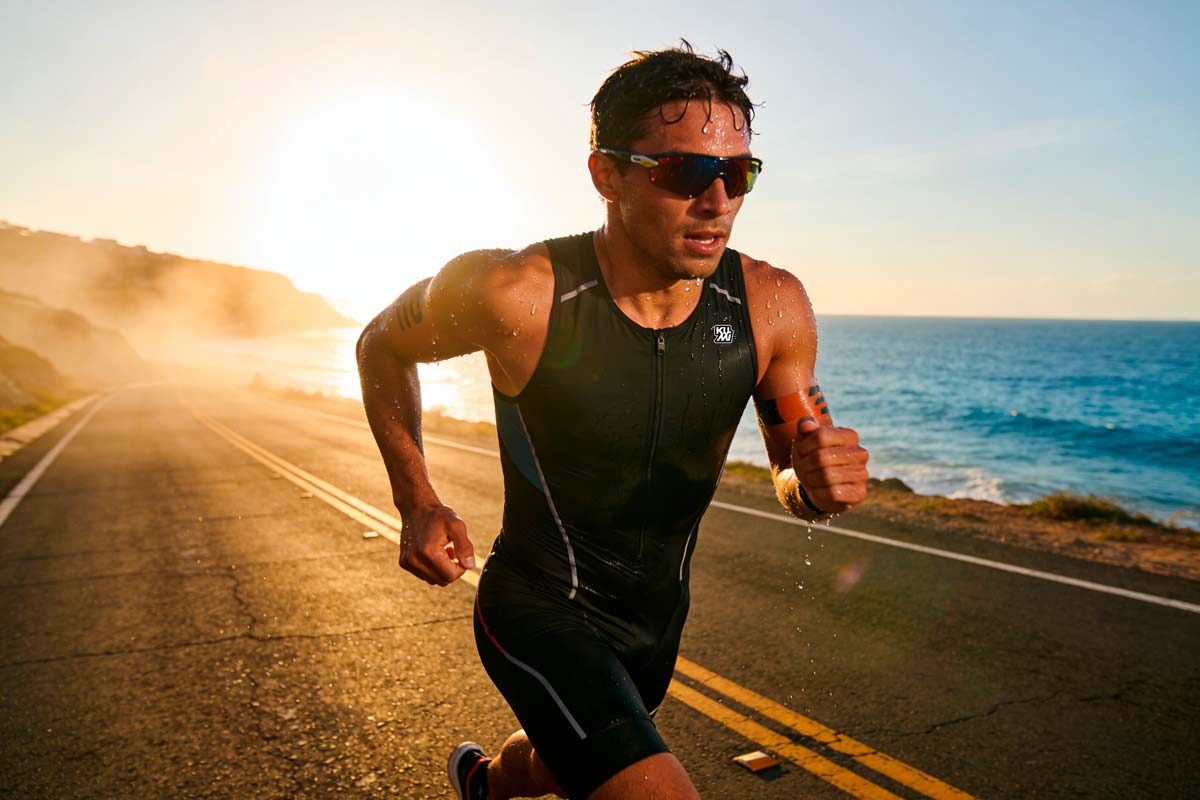
How to compete in heat and humidity without your pace falling apart
Competing on the Mexican coast is not the same as competing at altitude or in a dry climate.
Heat and humidity change everything: your heart rate, your perceived exertion, and your ability to maintain pace.
Events like Manzanillo, Riviera Nayarit, Ixtapa, or Cozumel do not forgive hydration mistakes or overly aggressive starts.
If you want to compete smart this 2026 season, you need to understand how your body performs in real heat.
Before registering for a coastal competition, check out how to plan your 2026 triathlon calendar considering the weather and venue type.
1. Heat elevates your heart rate (even if you don't increase your pace)
When the temperature rises, your body needs to send more blood to the skin to cool down. That means less blood available for the muscles.
Result: your heart rate increases even if you maintain the same pace.
What to do: Adjust your target pace based on the weather, not your ego.
🔗As we saw at the start of the season in Manzanillo and Monterrey, heat can completely change the expected pace.

2. Humidity reduces your cooling capacity
Sweat cools the body by evaporating. But in high humidity, that evaporation is less efficient.
This leads to internal heat accumulation and earlier fatigue.
What to do:
- Start hydrating before feeling thirsty.
- Include sodium in your strategy.
- Don't wait for the first signs of exhaustion.
3. A conservative start wins races on the coast
Many athletes lose their race in the first 10 minutes.
In humid weather, starting slightly below your average pace usually gives you a better final result.
Competing smart doesn't mean competing slow. It means competing sustainably.
4. Your equipment influences more than you think
Not all fabrics react the same to heat.
- Quick-drying fabrics reduce the sensation of weight.
- Proper compression improves muscle stability.
- Well-placed seams prevent friction when skin is wet.
In high humidity conditions, small details become big differences.
5. Adjust expectations, not discipline
A common mistake is getting frustrated because the pace doesn't match training in temperate weather.
The goal is not to replicate numbers. It is to execute strategy.
If the weather is demanding, the goal is to sustain performance without collapsing.
🔗 If you want to avoid the most common mistakes in your first race of the year, start by understanding how the weather impacts your strategy from minute one.

Competing on the coast is an art
Heat is not your enemy. It is another variable you must learn to manage.
Those who know how to adapt to the climate compete better than those who only train hard.
This 2026 season is not about resisting the heat. It's about understanding it.
See you at the starting line.
— KUMI Team


Leave a comment
This site is protected by hCaptcha and the hCaptcha Privacy Policy and Terms of Service apply.